Spotlight On: Brangwyn Hall
A stage for sound, spectacle and creative ambition
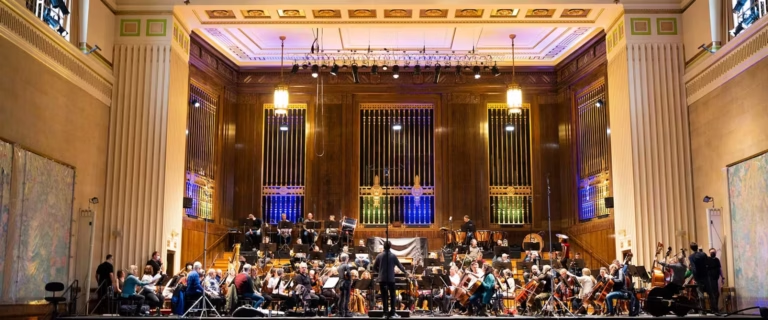
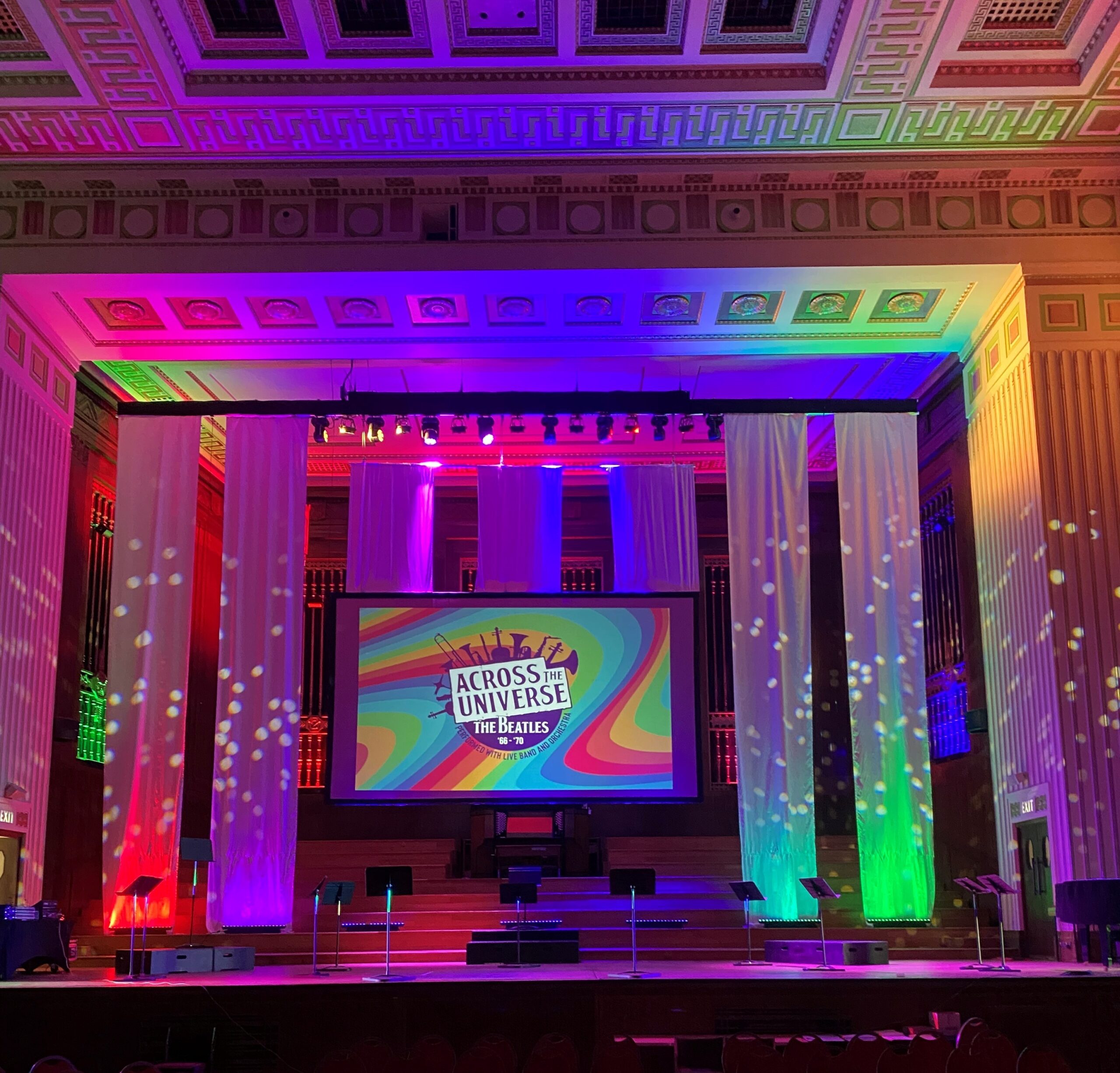
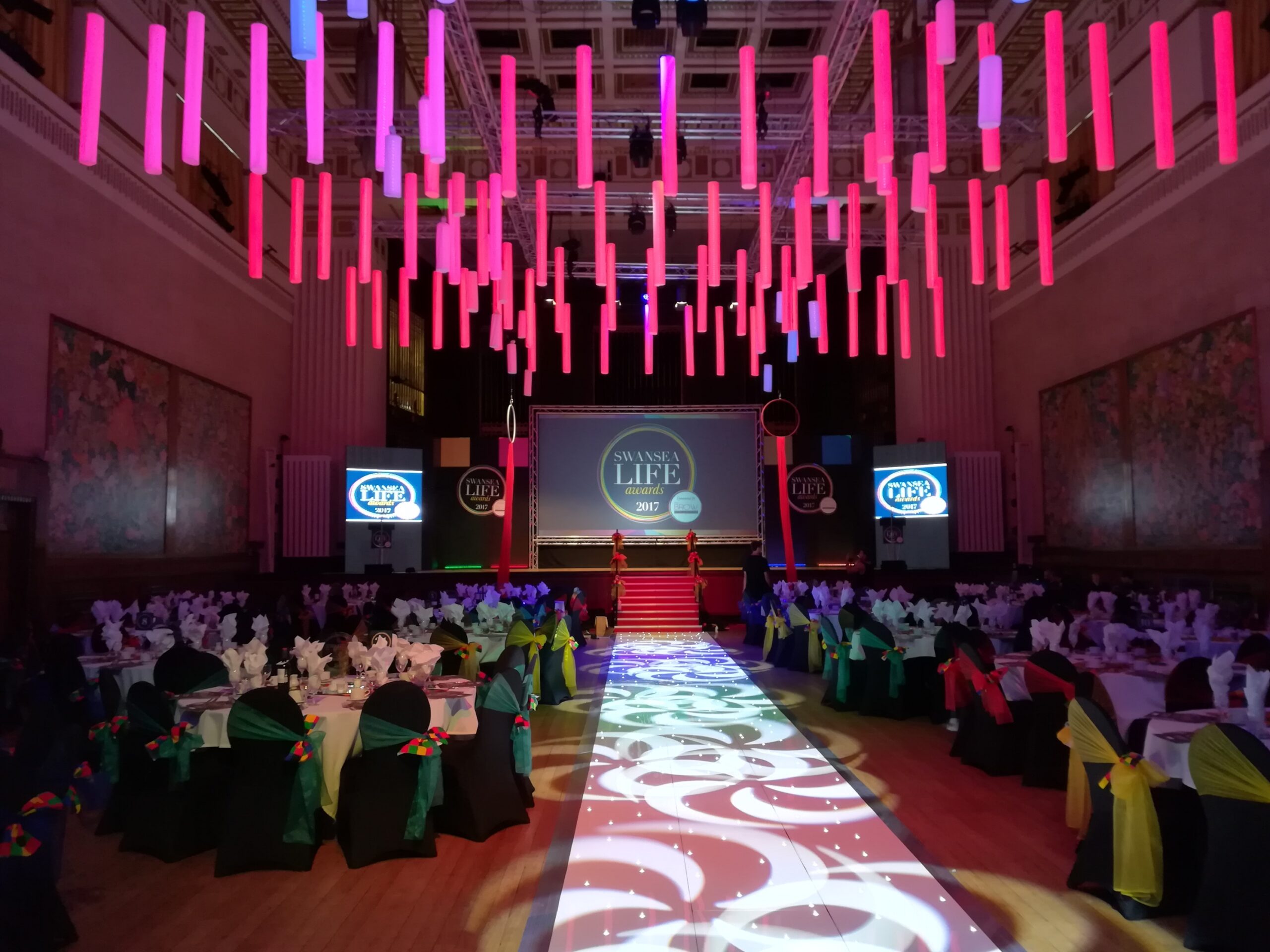
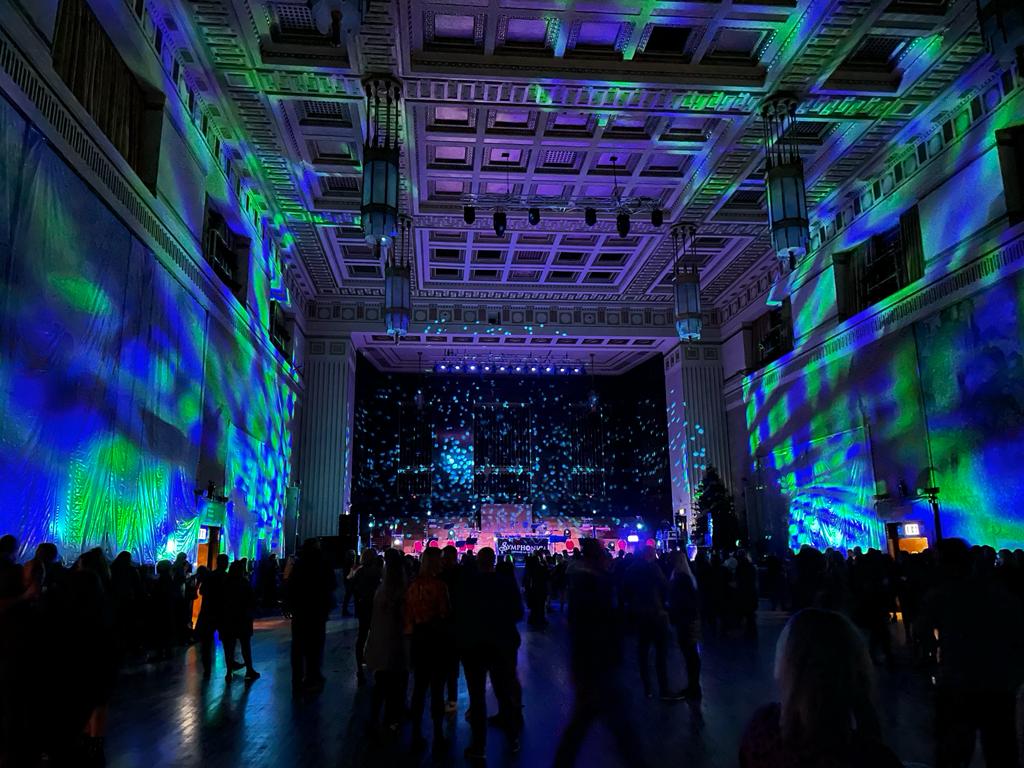
Step inside Brangwyn Hall and you are not just entering a building. You are stepping into one of Swansea’s most iconic cultural spaces: a room built for scale, atmosphere, and shared moments. More than a historic hall or civic landmark, Brangwyn Hall is a live, working piece of cultural infrastructure. It is where orchestras soar, audiences connect, communities gather, and creative ideas are given the space to land with impact.
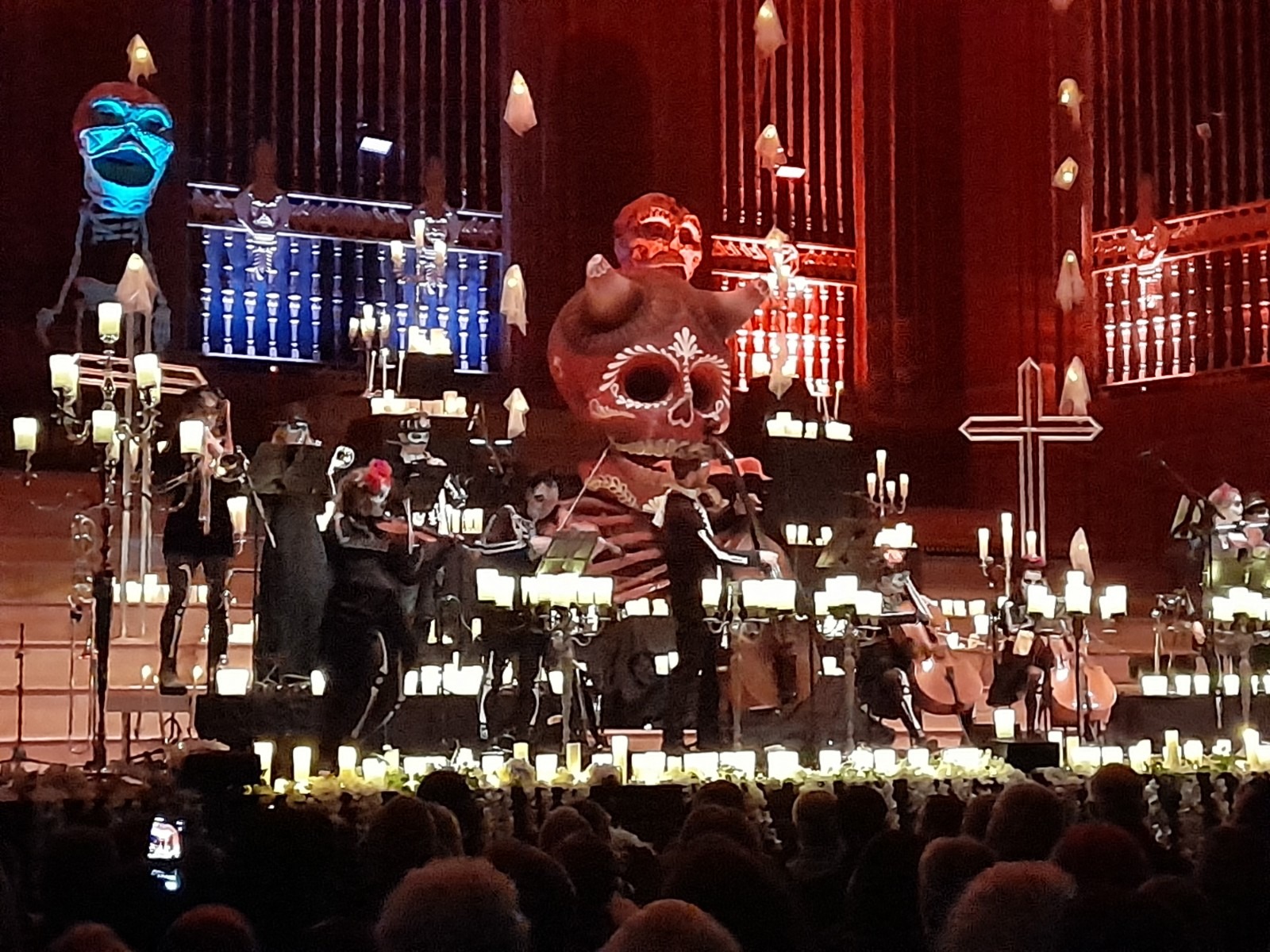
Brangwyn Hall is not a venue frozen in time, and it is not simply a beautiful backdrop for formal occasions. It is a creative engine for Swansea: a place where music, performance, technical skill, production planning and public gathering come together in one of the few rooms in the city with the size, character and flexibility to carry major cultural moments.
The hall’s civic function remains central to its identity. From the BBC National Orchestra of Wales to live bands including Far from Saints and Public Service Broadcasting; from the poignancy of the Royal British Legion’s Festival of Remembrance to proud graduations, community celebrations and national competitions, Brangwyn Hall is where Swansea gathers when something matters enough to do together.
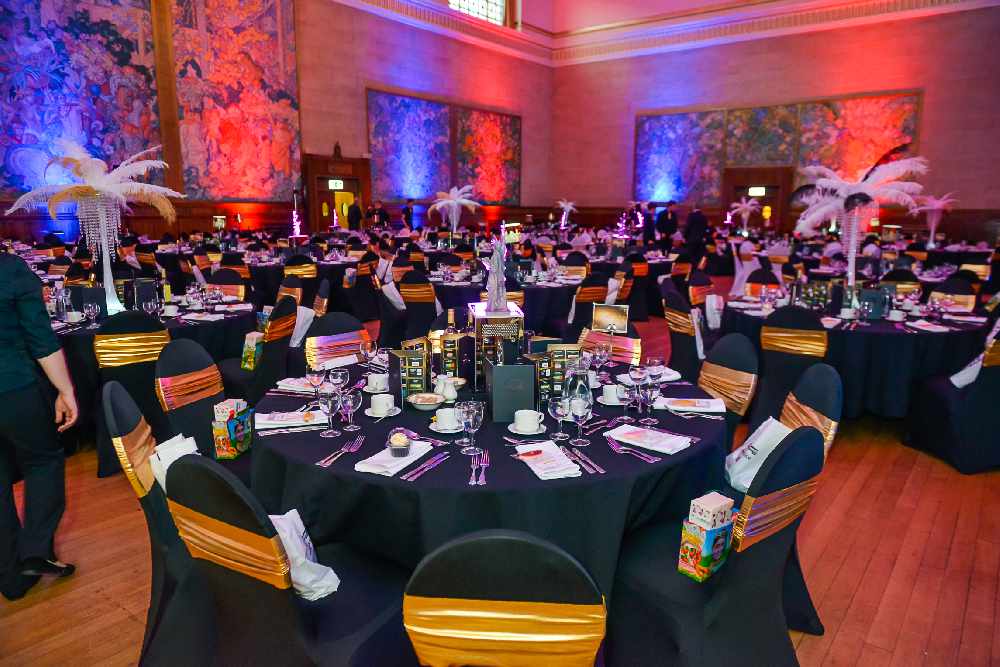
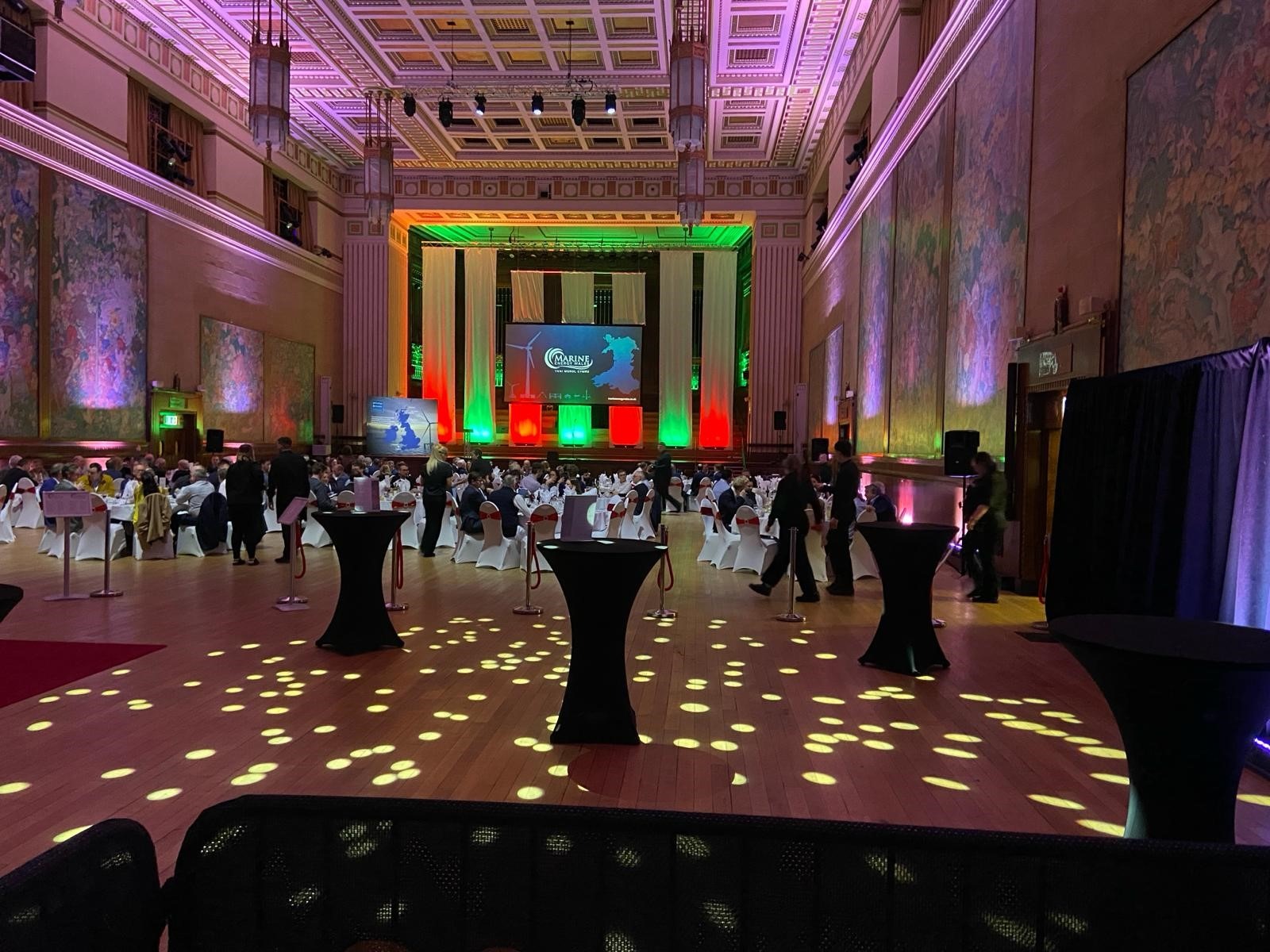
With capacity for 1,070 in theatre-style format and 1,380 standing, Brangwyn Hall gives artists, promoters and producers the freedom to create bold, high-impact experiences while keeping that vital connection with the audience. It offers scale without losing intimacy, and grandeur without feeling detached from the city it serves.
That flexibility is key for the creative ecology around each event as much as the event itself. Behind every concert, ceremony or large-scale gathering is a network of talent: promoters, producers, technicians, stage and sound crews, lighting specialists, front-of-house teams, caterers, designers, suppliers, freelancers and cultural organisations. Brangwyn Hall helps keep that network working.
It’s not just a venue on a listings page. It is part of the production chain that allows creative businesses and cultural workers to operate in Swansea. When a building like Brangwyn Hall thrives, the benefit is not limited to the audience in the seats. It creates opportunities for rehearsal, performance, collaboration, skills development, paid technical work and the behind-the-scenes labour that keeps a cultural sector functioning.
The hall also has a particular role in inspiring young talent. For young musicians, performers and technicians, stepping into a room that has hosted major orchestras, national competitions and landmark civic events can change the scale of what feels possible. It gives emerging talent a visible pathway from learning and participation into professional-standard performance environments. In that sense, Brangwyn Hall is not only a place where culture is consumed; it’s a place where future creative workers can begin to imagine themselves as part of Swansea’s cultural life.
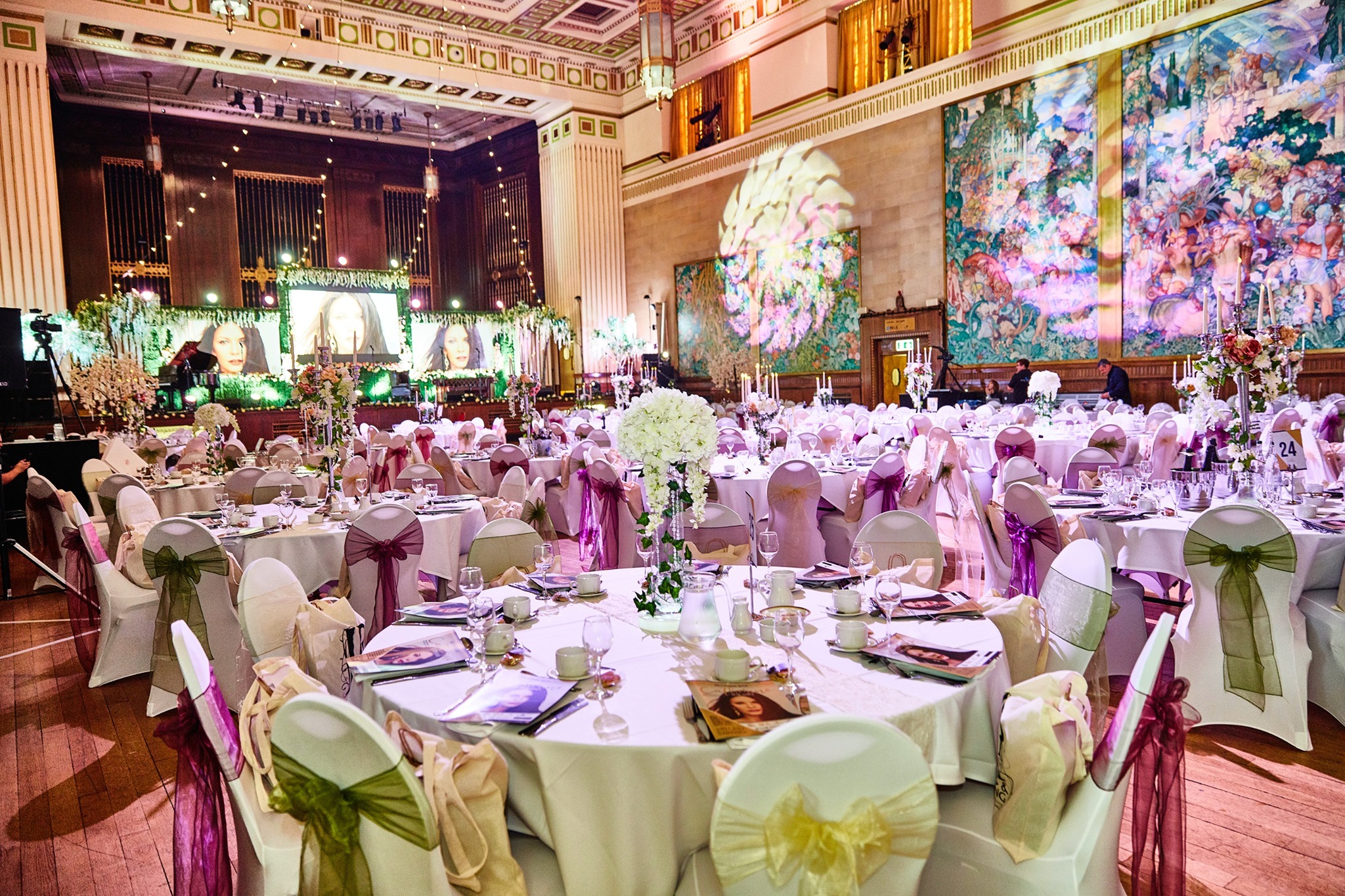
And then there are the Brangwyn Panels. Sixteen monumental works by Sir Frank Brangwyn are among the hall’s most recognisable features and a defining part of the experience of the room. Commissioned in the 1920’s for the House of Lords and later installed in Swansea, the panels bring with them a complex history, including the imperial context in which they were created. Today, their significance lies not only in their scale and visual impact, but in the conversations, they invite about art, power, history and place – and in the way Swansea continues to interpret and care for them as part of a living civic space.
The Guildhall complex itself opened on 23 October 1934, with the inaugural concert that evening given by the Swansea and District Royal Male Choir in the presence of HRH the Duke of Kent. The first major symphony orchestra visit followed on 31 October 1935, when the BBC Symphony Orchestra performed in Swansea – placing Brangwyn Hall not on the sidelines of the city’s story, but at the centre of its civic and cultural self-definition from the start.
Nearly a century later, that dual role continues. Brangwyn Hall holds memory while enabling new work. It can accommodate orchestral performance, formal ceremony, remembrance, live bands, national competitions and large-scale public gatherings while still feeling rooted in Swansea rather than detached from it. Culture does not stand still – and neither does Brangwyn Hall.
A place big enough for Swansea’s sound. A space worthy of ideas. A stage ready when you are.
"I’ve worked (and practically lived) in Brangwyn Hall long enough that I’m sure I’m classed as a listed fixture. Over the years we’ve gone from a team of 12 to just 3, but like everything else in the building, we’ve learned to creak less and do more. Technology has improved, expectations have skyrocketed, and somehow Brangwyn is busier than ever. Every day is completely different - which is probably why I haven’t had time to sit down since 2009 - but we still take pride in delivering the kind of service people remember (for all the right reasons!)."
— Tracy Ellicott, Brangwyn Hall Manager